Structured data supports article context.
FAQ schema summarizes common questions.
Erectile difficulties tied to blood flow deserve a medical plan, not an oversized promise. For South Florida men comparing GainsWave and wave therapy, meaningful improvement is possible, but results are individual.
Shockwave therapy for ED is a non-invasive treatment that applies low-intensity acoustic pulses to penile tissue to support blood flow and erectile function over time. Evidence suggests selected men may improve, especially with moderate ED, but outcomes depend on cause, severity, vascular health, and protocol.
For a local care overview, read about ED treatment in Hallandale Beach. You can also compare the main GainsWave shockwave therapy page with Transformity Health’s broader erectile dysfunction treatment approach.
Shockwave therapy for ED in South Florida: what it is and who it may help
Shockwave therapy for ED may help men whose erectile concerns involve blood-flow limitations. It is best considered after a physician reviews symptoms, medical history, expectations, and fit.
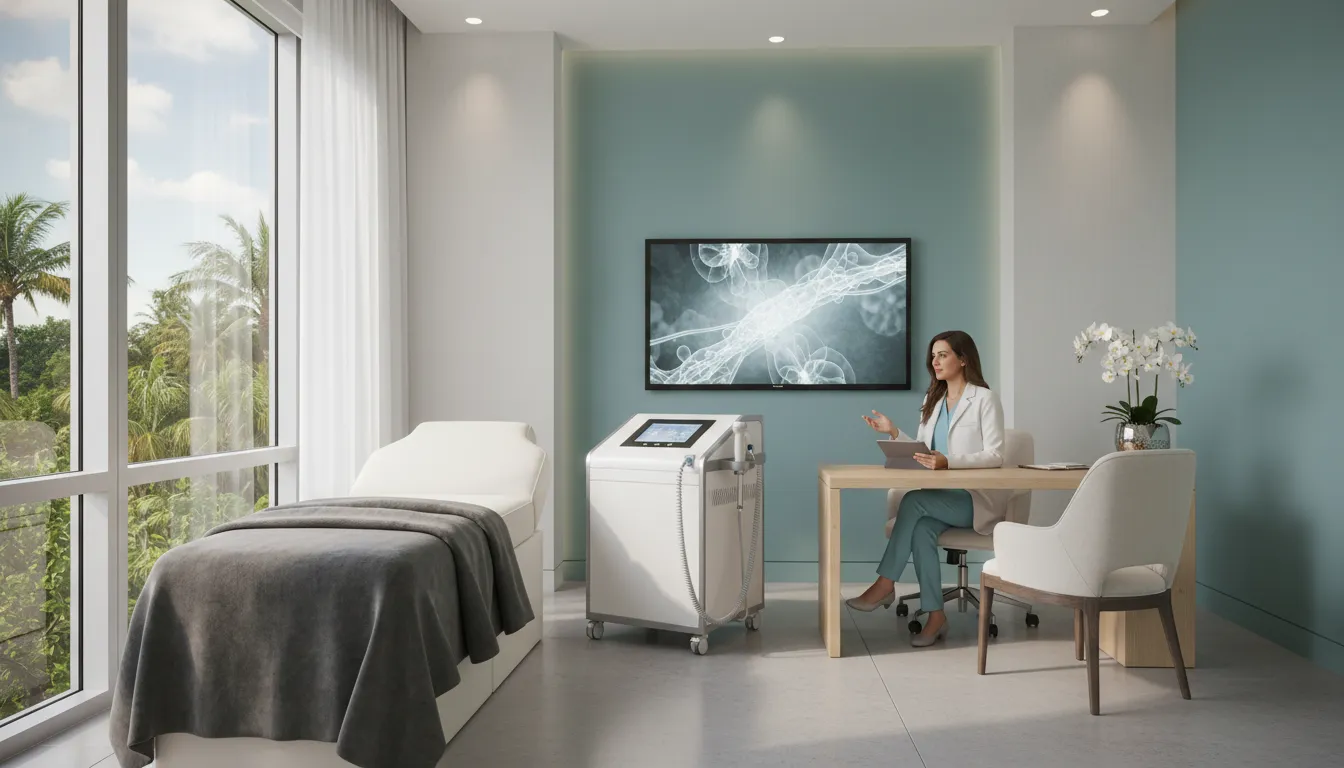
What wave therapy means
Shockwave therapy for ED is also called low-intensity extracorporeal shock wave therapy, or LI-ESWT. Some clinics use the terms wave therapy or GainsWave when describing this type of care. The treatment sends focused acoustic pulses into penile tissue without an incision or injection.
The aim is different from taking medicine before sex. The pulses are used with the goal of supporting tissue response and blood flow over time. For local patients, Transformity provides GainsWave therapy in Hallandale Beach as part of a men’s health plan, not as a guaranteed fix.
This difference matters when you compare choices for ED. Oral medicines can support an erection for a set time, while wave therapy is intended to address blood-flow function. A physician can explain where either approach may fit, based on symptoms, health history, and treatment goals.
Blood flow and realistic expectations
Erections depend in part on healthy blood flow. When blood vessels do not respond well, firmness may be harder to achieve or maintain. Low-intensity pulses are studied for their possible effects on vascular tissue and erectile function.
A meta-analysis of clinical studies found better erectile function scores after LI-ESWT than control care at one, three, and six months. It also found larger improvements among men with moderate ED. These results suggest a possible benefit for selected patients, but they do not promise the same response for every man.
Results can depend on the cause of ED and the person’s overall health. Symptoms linked to blood flow may be approached differently from concerns linked to hormones, medicines, stress, or nerve injury. A careful visit helps keep the discussion grounded in the likely cause, rather than in a broad claim.
Who may discuss treatment in South Florida
A medical visit should come before choosing shockwave therapy for ED. A clinician can review symptoms, vascular risk, medicines, hormone concerns, and past treatment results. Men with sudden symptoms, pain, or a major change in sexual function need a full assessment before discussing a procedure.
For some men, a noninvasive option may be worth discussing when blood-flow concerns play a role in ED. Others may need testing or a different first step. The right choice depends on medical findings, personal goals, and a frank review of likely benefits and limits.
At Transformity Health in Hallandale Beach, ED care is physician-led and based on an individual assessment. Patients from Aventura, Fort Lauderdale, and nearby communities can review root-cause erectile dysfunction care. They can then discuss whether wave therapy is a reasonable option for their needs.
How does shockwave therapy for ED work?
Shockwave therapy for ED uses low-intensity acoustic pulses directed at penile tissue. The aim is to support blood flow, not force an erection at the time of treatment. It is a non-invasive, drug-free option, although a medical evaluation still matters before care begins.
Controlled acoustic pulses
At Transformity Health, focused acoustic wave treatment for ED is presented as a focused treatment approach for erectile concerns. A handheld device applies controlled pulses through the skin. No injection or daily pill creates the effect during the session.
Those pulses create a mild mechanical signal in tissue. In theory, that signal may prompt repair responses in the small blood vessels involved in erection quality. This is why clinicians discuss angiogenesis, the growth of new blood vessels, when explaining the treatment goal.
Vascular support and tissue response
An erection depends on healthy blood flow into erectile tissue. When circulation is part of the ED picture, an approach that targets vascular support may be relevant. Shockwave therapy for ED is designed to stimulate tissue and encourage improved blood supply over time, rather than mask symptoms for one encounter.
Evidence is still developing. A meta-analysis of low-intensity extracorporeal shock wave therapy found better erectile function score improvement in treatment groups than controls at follow-up points. That finding supports possible benefit for selected men; it does not promise the same outcome for every patient.
Because the treatment goal concerns tissue response, change is not always immediate. Clinicians may use symptom scores and medical history to judge whether function changes after care. The cause of ED, overall health, and baseline severity can shape the discussion.
What non-invasive means
Non-invasive means the acoustic pulses are delivered through the skin, without a surgical incision. Drug-free means the therapy itself does not depend on an ED medicine. It does not mean medicines, hormones, heart health, or other possible causes should be ignored.
A physician-led assessment helps place symptoms in context. Men may have vascular, hormonal, metabolic, or other contributors to erectile concerns. Reviewing men’s sexual health evaluation can help patients see where wave therapy may fit among other care options.
Questions about treatment should begin with why erections have changed and what goals matter most. A clinician can review health history, current medicines, symptoms, and treatment expectations. That step keeps a tissue-focused therapy in its proper role: one option in a personal care plan.
Is shockwave therapy effective for erectile dysfunction?
The careful answer is yes, it may help some men, but improvement is not guaranteed. Shockwave therapy for ED is studied as a way to improve erectile function without a drug or injection. The right question is not whether it works for everyone. It is whether the evidence and a man’s health history support trying it.
What the clinical evidence shows
A meta-analysis of low-intensity extracorporeal shock wave therapy found better erectile function score changes than control care at follow-up. It also found stronger change among men with moderate ED. This supports possible benefit in selected patients, not a promise for each treatment course.
Studies measure results with tools such as the International Index of Erectile Function (IIEF), SHIM, and Erection Hardness Score (EHS). These tools track change over time, rather than a simple yes or no result. They can show progress even when a man still needs other care.
In one randomized, sham-controlled trial, 25 men began with an EHS below 3. At six months, 68% reached an EHS of 3 or higher. That is useful evidence, but a small study should not set one person’s expected outcome.
Realistic expectations for improvement
Improvement can mean firmer erections, more consistent function, or better response during sex. It does not always mean complete relief from ED. Some men may notice a change; others may have limited benefit. A responsible plan sets goals before treatment and checks progress with the same measure afterward.
Results can also look different because ED is not one single problem. A treatment aimed at blood flow may not answer every factor affecting erections. This is why a success rate seen in a study cannot predict one man’s result. The starting diagnosis matters as much as the treatment choice.
Patients should also know what a study result cannot say. A follow-up score shows how participants did during that study period. It cannot assure the same response outside the study. It also cannot replace a medical review of symptoms, medicines, general health, and sexual health goals.
Why root cause evaluation comes first
Transformity Health evaluates the full picture before recommending a protocol. The aim is to find factors that may affect erectile function, then discuss care that fits those findings. For some men, shockwave therapy may be part of that plan. For others, the first step may be a different form of care.
This approach helps keep expectations grounded. Instead of presenting one device as an answer for every man, the clinical team can discuss likely fit and how results will be tracked. Men who want to explore options can read about ED treatment options at Transformity before speaking with a physician.
A clear discussion should cover the reason treatment is being considered, the goal being measured, and what happens if results are modest. That is the practical meaning of evidence-aware care: a reasonable option for the right patient, assessed without guarantees.
GainsWave, pills, injections, and P-Shot: how options compare
Choosing an ED care option starts with one question: what problem needs attention now? Some men want an option to discuss for planned intimacy. Others want to explore blood flow and longer-term function with a clinician. The right discussion also includes health history, comfort with procedures, and realistic expectations.
Four paths, four different questions
GainsWave is a form of shockwave therapy for ED that uses acoustic waves, rather than a pill or an injection. A meta-analysis found improved erectile function scores after low-intensity shockwave treatment compared with controls. Gains were clearer in men with moderate ED. Read the published review of low-intensity shockwave therapy for details.
Pills, injections, and the P-Shot are separate approaches, not weaker or stronger versions of the same care. The P-Shot involves platelet-rich plasma injection, while shockwave therapy uses waves. A medical review can help place these choices within physician-led erectile dysfunction support.
| Option. | Purpose. | Invasiveness. | Fit. | Limit. |
|---|---|---|---|---|
| GainsWave or shockwave. | Blood flow goals. | No pill or injection. | Non-drug discussion. | Results vary. |
| PDE5 pills. | Medication support. | Oral medicine. | Prescribed medicine. | History review matters. |
| Injections. | Local medicine. | Needle-based. | Self-injection discussion. | Technique needs guidance. |
| P-Shot. | PRP procedure. | Injection. | Regenerative question. | Evidence needs review. |
Fit, goals, and health history
A comparison table cannot decide care. ED may involve blood flow, hormones, medications, stress, or more than one factor. A physician can review symptoms and health history before matching an option to the goal. This step matters if sexual symptoms appear with other health concerns.
Men who want a non-drug discussion may ask whether Transformity Health GainsWave care is a suitable path. Men who need a different approach can ask why pills, injections, or another option might better fit their case.
Questions for a useful visit
Bring a list of medicines, past ED care, and any heart or hormone concerns. Ask what improvement would count as meaningful, how progress is checked, and when the plan is reassessed. These questions keep the visit focused on function, safety, and expectations rather than promises.
For shockwave therapy, ask which symptoms and exam findings make treatment a reasonable consideration. Also ask what is known, what is still uncertain, and how another option would be considered if goals are not met.
What to expect during your ED shockwave therapy visit
A visit for shockwave therapy for ED should begin with a medical conversation, not a device session. At Transformity Health, Dr. Liv Uslar leads a review shaped by your history, symptoms, and goals. The aim is simple: decide whether this option fits your needs and broader health picture.
Your first consultation
Your clinician will ask about erection changes, past treatment, medicines, and health conditions. ED may occur alongside blood vessel, hormone, or metabolic concerns. A careful visit reviews these factors before a treatment plan is proposed.
You can bring a medicines list and recent lab results if you have them. It also helps to note when symptoms began and whether they changed over time. This makes the discussion more focused and useful.
-
Discuss symptoms and goals. Describe when the problem began and how it affects sexual function. You may also review your response to pills or earlier care.
-
Review medical factors. Your clinician may discuss blood vessel health, blood sugar, weight, testosterone symptoms, sleep, smoking, and medicine use. These details help guide safe choices.
-
Set a baseline. A symptom score, such as SHIM, may record function before care begins. It can also support clearer follow-up talks.
-
Choose a treatment series. If the treatment is a fit, your clinician will explain the recommended visit schedule. The plan may differ based on your evaluation.
-
Attend each visit. Treatment uses focused pulses applied to the treatment area. Before you leave, ask about expected sensations, daily activity, and any reasons to call.
Comfort and follow-up
This treatment is non-invasive and does not use drugs as its main method. During your consultation, ask what the pulses may feel like and whether you can resume normal plans afterward. Clear guidance matters because each person may have a different experience.
Follow-up helps set honest expectations. Clinical studies often track erectile function with scores such as SHIM. In one randomized trial, SHIM scores improved more in the treatment group at one month than in the sham group. Read the published clinical research for study details. That result does not predict one patient’s response.
Care beyond the procedure
A visit can identify issues that need attention alongside ED treatment. Your clinician may discuss labs or changes in care based on hormone, vascular, or metabolic findings. This helps frame the procedure as one possible part of a fuller plan.
Before you start, review the visit schedule, total cost, payment choices, and follow-up plan. Ask whether 0% interest financing is available for your treatment plan. You can also review non-invasive ED shockwave option before discussing the next step with your clinical team.
Why root-cause ED care matters before choosing a treatment
Root-cause ED care matters because erections depend on blood flow, hormones, nerves, medications, metabolic health, and stress. A careful evaluation helps decide whether shockwave therapy belongs in the plan or whether another issue should be addressed first.
ED as a health signal
Erectile dysfunction can be frustrating, but it is not always a stand-alone sexual concern. An erection depends on blood flow, nerve signals, hormones, and overall health. When changes persist, the first question is what is interfering with that process. The next question is how to choose care that suits the cause.
A root-cause visit considers several possible drivers. Is reduced circulation limiting blood flow? Are hormone changes affecting desire or function? Could metabolic health or ongoing inflammation be part of the picture? These questions matter because treatment choices should fit the pattern behind a man’s symptoms.
A physician-led evaluation
At Transformity Health, the goal of an ED evaluation is to understand the whole clinical picture before selecting care. A physician can review symptoms, health history, current medicines, prior responses to care, and concerns about sexual function. That discussion helps separate a new concern from a longer pattern that may call for broader support.
The evaluation can also guide a plan that addresses more than one need. For some men, care may include discussion of hormone balance or health habits alongside medical evaluation for ED symptoms. For others, the best next step may be further review before choosing a procedure.
A careful visit also gives each patient a chance to define practical goals. He may want better function, fewer medication concerns, or more clarity about low desire. Clear goals help the physician discuss which options match the concern and which options may not.
This careful start is useful for men seeking care in Hallandale Beach, Aventura, or Fort Lauderdale. ED can affect confidence and relationships, yet it also provides a reason to discuss physical health clearly. A private, direct medical visit makes room for both concerns without assuming one answer fits every patient.
When shockwave therapy fits the plan
Shockwave therapy for ED focuses on erectile function through low-intensity energy delivered to penile tissue. It may be discussed when the clinical picture suggests a blood-flow based approach is reasonable. It does not replace a full evaluation of possible hormonal, metabolic, vascular, or inflammatory issues.
Clinical evidence helps set sound expectations. A published meta-analysis of low-intensity extracorporeal shock wave therapy found better erectile function scores after treatment than in control groups. The review also reported more pronounced improvement in patients with moderate ED, which highlights why patient selection matters.
Results still vary by the person, the cause of ED, and the care plan selected. A therapy that fits a vascular pattern may not address a hormone concern or another driver. Men considering shockwave treatment for blood-flow related ED can begin with a physician-led evaluation and a clear discussion of expected goals.
Choosing a shockwave therapy provider in Hallandale Beach
Choosing a provider for shockwave therapy for ED starts with a medical conversation, not a package price. ED can involve blood flow, hormones, medicines, stress, or more than one factor. A provider should explain where treatment may fit and when another evaluation should come first.
For men in Hallandale Beach, Aventura, or Fort Lauderdale, repeated visits also make location practical. A nearby office can make it easier to keep appointments and discuss changes in private.
Physician-led assessment
Ask who reviews your history, sets the plan, and checks progress. At Transformity Health, care is led by Dr. Liv Uslar, an MD and PhD, in Hallandale Beach. That physician-led setting matters when ED may point to a broader health question.
A thoughtful consult should cover symptoms, current medicines, sexual health goals, and relevant health history. Ask whether the workup may include hormone or vascular factors before choosing a treatment path. Readers comparing options can review erectile dysfunction treatment plan before the visit.
Root-cause evaluation does not mean every patient needs the same tests. It means the clinician should ask why symptoms began, what could add risk, and whether other care is needed. Ask which findings would change the plan before you pay for treatment.
Transparent protocol and expectations
Ask the provider to name the device type, planned number of visits, how comfort is managed, and how results are tracked. Clinical studies often use measures such as SHIM or Erection Hardness Score, rather than a vague promise of improvement.
Research on low-intensity extracorporeal shock wave therapy found improved erectile function scores versus control groups at follow-up. The same review notes that benefit may differ by ED severity and treatment plan. Good counseling should reflect that uncertainty, with no guarantee of a set result.
Before scheduling, ask what a full protocol includes and which costs are separate. Find out when progress is reviewed, what counts as meaningful change, and what options exist if goals are not met. Clear answers protect both expectations and privacy.
Practical privacy and follow-up
Because ED care is personal, ask how the office handles privacy during intake, treatment, billing, and follow-up. Also ask whom to contact if goals change or a session causes concern. These questions help you judge the process before you begin.
A clinic that is convenient from home or work can reduce friction during a treatment series. If you are considering Transformity Health’s GainsWave service details, bring a clear list of questions to a consultation. Start with who evaluates you, how the protocol is chosen, and how progress will be measured.
Frequently Asked Questions
These answers summarize common patient questions about shockwave therapy for ED in South Florida. They are educational only and should be reviewed with a clinician before starting care.
How does shockwave therapy for ED work?
According to Transformity Health, shockwave therapy for ED uses targeted acoustic pulses to stimulate penile tissue and support blood flow. It may also be called wave therapy or offered as GainsWave. The aim is to encourage a vascular response rather than provide an on-demand erection. This noninvasive, drug-free option still requires a clinical evaluation to determine whether it fits a patient’s ED causes and health goals.
Is shockwave therapy effective for erectile dysfunction?
Studies suggest low-intensity shockwave therapy can improve erectile-function scores for some men, but no single success rate predicts an individual’s result. In one randomized sham-controlled trial, 68% of a defined subgroup improved from low baseline erection hardness at six months. This result is reported in a clinical study record. Outcomes depend on ED cause, baseline severity, protocol, and follow-up, so improvement is not guaranteed.
What is the difference between shockwave therapy and the P-Shot for ED?
According to Transformity Health, shockwave therapy uses externally applied acoustic pulses, while the P-Shot involves injections of platelet-rich plasma. They are separate procedures with different treatment methods and evidence questions. A clinician can review vascular health, medications, hormone factors, symptoms, and prior ED treatments before discussing either option. The choice should follow a medical assessment and realistic expectations, not a guaranteed outcome.
How many shockwave therapy sessions are usually discussed for ED?
Transformity Health describes a 6-12 treatment protocol for GainsWave-style shockwave therapy. The right plan depends on symptoms, medical history, vascular risk, response to prior treatments, and the physician’s evaluation. A consultation should clarify frequency, comfort, and follow-up before treatment begins.
Does shockwave therapy for ED replace a medical evaluation?
No. ED can be linked to vascular disease, diabetes, hormone changes, medication effects, inflammation, stress, or other health issues. Shockwave therapy may be one option within a larger plan. But a medical review helps identify whether it is appropriate and whether other testing or treatment should come first.
Ready to explore GainsWave therapy for ED today?
Delaying a conversation about ED can prolong uncertainty, stress, and questions about which care options fit your needs and priorities. Starting now gives you more time to understand the process, discuss realistic expectations, and choose next steps without feeling rushed. A focused visit can clarify whether GainsWave therapy or another approach should be part of your personal discussion with a physician.
You can bring concerns about timing, comfort, goals, and possible alternatives so your decision is based on clear answers. Ready to move forward with a private conversation about wave therapy for ED in South Florida? Schedule your free consultation to request a visit and talk to a physician about your specific options.