A thirty-fifth birthday is not a fixed finish line for fertility. While the path to pregnancy may shift, a timely evaluation can identify egg-reserve, metabolic, hormonal, and whole-body factors that deserve attention. Fertility after 35 calls for an informed plan, not panic.
Schedule a fertility consultation with Transformity Health
Fertility after 35 requires looking past simple numbers to find the specific root causes that shape your unique path to a healthy pregnancy. Data shows that about 73% of women in their late thirties can still conceive naturally within one year of trying for a baby. This fertility success often depends on egg quality and how well your cells function throughout your entire body and your monthly cycle. Research shows that female fertility declines mainly because of changes in both the total number and the overall health of your eggs. By finding root-cause factors like inflammation or hormone shifts, you can improve your chances and use better tools to support your health.
You likely have many questions about how your body is changing and what you can do next. Fertility after 35 is a transition, not a cliff. Learning about that shift can help you take control of your health and begin with a clear plan.
Fertility after 35 is a transition, not a cliff
Many women hear that age 35 is a magic number where fertility drops away, and it can feel like a scary deadline. But the truth about fertility after 35 is more about a slow change than a sudden stop. It is a time for better focus on your health, not a time to panic. At Transformity Health, we help you know these shifts so you can make a plan that works for your body.
These age-related changes develop over time and differ from person to person. A root-cause evaluation can identify modifiable factors and clarify the next steps most relevant to your goals. Our team provides women’s fertility support to help you move forward with greater clarity. We treat you as a partner in your own care journey.
The meaning of age 35
Doctors use age 35 as a health marker because some risks start to rise more often at that point. But it does not mean your chance to have a baby is gone, and the path is still open for most women. This age is simply a point where we look closer at your health to catch small issues before they become big hurdles.
The shift happens because of how the body stores eggs, as a woman is born with all the eggs she will ever have. Over time, the count and health of these eggs begin to drop slowly as a normal part of aging. It starts long before 35 and goes on long after, so this helps us focus on what we can improve, such as your daily habits.
Egg health and count
There are two main things to track: how many eggs you have and how healthy they are. As you age, the pool of eggs gets smaller in a process that is a basic part of life. At the same time, the health of the eggs can shift and older eggs may have more trouble with how they grow. This can lead to a higher risk of health issues or a higher chance of a loss.
But these shifts do not happen to everyone at the same speed. Some women have a strong egg count well into their late 30s. Others may need more help to balance their hormones or reduce stress. By testing for things like thyroid levels and insulin, we can see the full picture. This helps us find the best way to help your body stay ready for a healthy baby.
Real numbers for getting pregnant
The stats for having a baby after 35 are often better than people think. One large study looked at women who had sex twice a week. It found that 73% of women aged 35 to 40 got pregnant within one year. While this is lower than the rate for younger women, it is still a high number. It shows that most women in this age group can still conceive on their own.
If you have been trying for six months and are over 35, it is a good idea to talk to a doctor right away. We don’t want you to wait a full year if there are simple things we can fix now, as early help can make a big difference. We look at your whole health to find the root cause of any delays. This quick move can save you time and help you feel more in control of your future.
What does egg quality actually mean?
When we talk about fertility, we often focus on the number of eggs left. But the health of those eggs is just as vital. Egg quality describes the genetic health of an egg. It also looks at how well the egg can divide and grow after a sperm joins it. A high-quality egg has the right plan and energy to become a healthy baby. As you consider your next steps, learning about these parts is a valuable first step.
Genetic health and chromosomes
The most vital part of egg quality is the number of chromosomes. A healthy egg should have just 23 chromosomes. When it joins with a sperm, the new cell has 46 in total. This set of plans tells the body how to build every part of a baby. As we age, the parts that sort these chromosomes can wear down. This makes it more likely for an egg to have too many or too few. This shift is a key reason why female fertility drops as the years go by. These errors in genes can make it hard for a pregnancy to stay healthy.
Cellular energy and mitochondria
Eggs also need a lot of energy to grow. Inside every egg are small power plants called mitochondria. These parts give the egg the fuel it needs to divide and change many times. An egg is one of the largest cells in the body. It needs a lot of power to do its job. If an egg lacks this fuel, it may stop growing soon after it starts. This can happen even if the genes inside are healthy. Keeping your cells fit helps the egg finish the complex steps of becoming an embryo. Factors like how you eat and sleep can play a role in this cell health.
The limits of fertility testing
Right now, no test can tell you the exact quality of a single egg while it is still in the body. Most common blood tests and scans check for the number of eggs you have left. For example, a test for Anti-Mullerian Hormone (AMH) tells us about the size of your egg supply. It does not show if those eggs have the right genes or energy. The only way to really see the quality is to look at how an egg grows after it is fertilized. If you are 35 or older and have tried to conceive for six months, it is time to talk with a doctor. They can look at your whole health to find ways to support your goals.
Root-cause factors that may influence reproductive health
Planning for a baby often leads to many questions about the body. This is true for people looking into fertility after 35. While age is a key part of the story, it is not the only thing that matters. Many parts of your health work together to help you have a child. At our clinic, we look for the root causes that might slow you down. We want to find why your body might need more help right now.
Your reproductive health starts very early. In fact, a woman is born with all the eggs she will ever have. These eggs form while she is still in her mother’s womb. Over time, the count and health of these eggs go down. This drop is the main reason why getting pregnant can get harder as you get older. But other health factors can also change how well your body works.
Metabolic health and blood sugar
How your body uses energy can change your health. High blood sugar or high insulin can cause problems. If your body does not handle sugar well, it can throw off your hormones. This might stop your body from letting go of an egg each month. We check these levels to make sure your body is ready. Poor sugar health can also lead to more swelling in the body, which is not good for eggs.
We use blood tests to look at how you process food. When metabolic issues need closer attention, our functional medicine approach can help connect those findings to a personalized plan. These plans focus on what your body needs to stay in balance. Keeping your sugar levels steady helps your whole system. It gives your body a better chance to support a new life.
Hormone balance and thyroid function
The thyroid is a small gland in your neck. It acts like a master switch for your body. It controls how fast your heart beats and how you burn fat. It also plays a big role in your period and reproductive health. If your thyroid is too slow or too fast, it can be hard to get pregnant. We check thyroid markers to assess whether they may be affecting reproductive health. When appropriate, a broader hormone health evaluation can add context, although any treatment plan must be individualized for someone trying to conceive.
Other hormones also need to stay in balance. As you get older, some hormones may drop or rise too much. This can lead to issues with your cycle. Finding these small shifts can make a big difference. It helps us see the full picture of your health. When your hormones are in sync, your body can work as it should.
Nutrient status and daily habits
Your body needs the right tools to build a baby. This means getting enough vitamins and minerals. Low levels of B12, folate, or vitamin D can impact your health. We test your levels to see what you might be missing. Eating good food is a start, but sometimes the body needs more help to absorb these items. We check for gaps that could be holding you back.
Daily habits also play a large role. Things like how much you sleep and how you handle stress matter. Smoking or drinking too much can harm egg health. Even the air you breathe can have toxins. These can build up and cause swelling in your cells. If you have been trying for a baby for six months and are over 35, you should talk to a health care provider for advice.
Stress is another key factor. When you are stressed, your body makes a hormone called cortisol. High levels of this hormone can tell your body it is not a safe time for a baby. We work with you to find ways to lower stress. Getting good sleep helps your body heal and fix itself. Consistent changes in sleep and stress management may support reproductive health as part of a broader physician-guided plan.
What should a fertility evaluation include after 35?
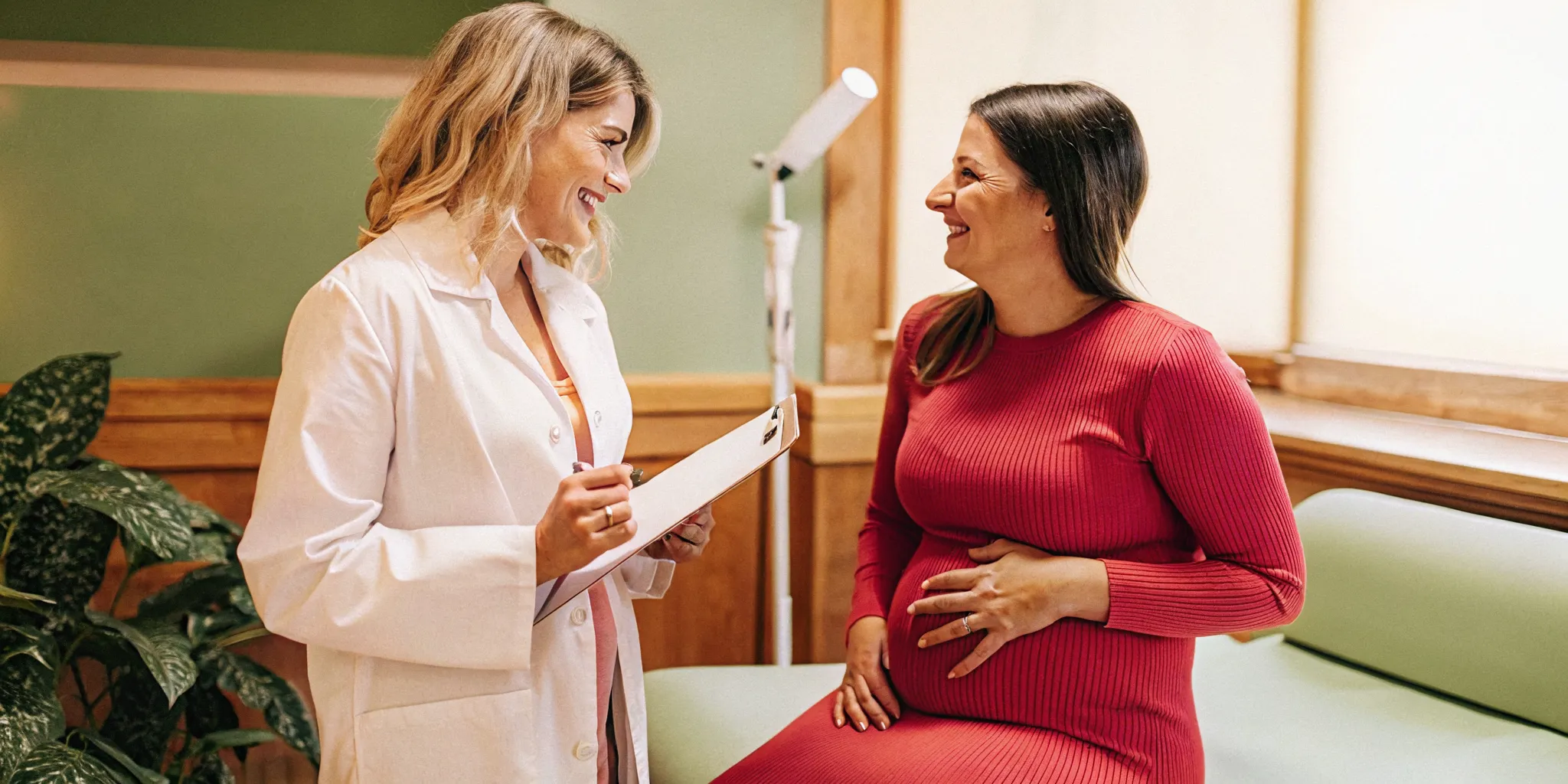
When you start your journey for fertility after 35, your doctor will first do a full health check. This review looks at your past health and your current cycle. Most health groups say women over 35 should see a doctor if they do not get pregnant after six months of sex (Mayo Clinic). An early start helps find small issues before they become big problems. It also lets you build personalized fertility optimization plans that meet your unique needs. Your doctor will use these tests to map out a clear path for your care.
Testing your egg supply and quality
A big part of the checkup is looking at your egg reserve. All women are born with a set supply of eggs. This supply drops as you age due to a steady loss of follicles (NIH). Doctors often use a blood test to check your Anti-Mullerian Hormone (AMH) level. This score gives a good hint at how many eggs you have left in storage. You might also have an ultrasound to count your follicles. This is called an antral follicle count or AFC.
While these tests show your egg count, they have one big catch. They do not tell the doctor about the quality of those eggs. Even a high count of eggs can have flaws in their genes. This is a common part of reproductive aging and can lead to more miscarriages. Your doctor will combine your age and test scores to judge your odds. By doing this, they can give you a clear and honest view of your health.
Checking your physical health and anatomy
The doctor must also look at the shape and health of your uterus and tubes. Even the best eggs cannot lead to a baby if the path is blocked. A test called an HSG uses a special dye and X-rays to see if your tubes are open and clear. If a tube is blocked, the sperm cannot reach the egg. Some clinics also use a saline ultrasound. This test puts water in the uterus to look for polyps or fibroids. These growths can stop an egg from sticking to the uterine wall.
Physical health also means looking for scar tissue from past surgeries or infections. These issues can change how your body works. Finding these blocks early can save you a lot of time. It allows your care team to fix physical issues before you try more complex treatments. A clear path is vital for a healthy and safe pregnancy journey. Your doctor will use these tools to make sure your body is ready for the next step.
Reviewing metabolic and male factors
Modern care also looks at your metabolic health and your partner. Problems like insulin resistance or thyroid flaws can change how your eggs grow. At Transformity Health, we look at these root causes to help you get better results. We check your blood for markers of stress and inflammation. This whole-body view sets the stage for a healthy egg and a strong pregnancy. We aim to fix these issues so your body is in the best shape possible.
Finally, do not forget about the male partner. A semen analysis is a simple but vital part of any full review. Male issues play a role in about half of all cases where couples struggle to conceive. This test looks at the count, shape, and movement of the sperm. If there is an issue here, it can be just as important as female health factors. Testing both partners gives the care team a full picture. This leads to a better plan and a higher chance of success for you both.
| Fertility Test. | What It Helps Assess. | Important Limitation. |
|---|---|---|
| AMH Blood Test. | Estimate of egg reserve. | Does not measure egg quality. |
| Antral Follicle Count. | Visual count of follicles. | Number can change each month. |
| HSG X-Ray. | Openness of fallopian tubes. | Can be briefly painful. |
| Semen Analysis. | Sperm count and health. | Only looks at the male side. |
| Thyroid & Metabolic Panel. | Hormone and sugar balance. | Need more tests for full view. |
| Saline Ultrasound | Uterine wall and shape. | May miss some small blocks. |
Talk with Transformity Health about a physician-led fertility evaluation
How to build a personalized fertility plan
Making a plan for fertility after 35 starts with a look at your whole health. Your body needs a steady base to support a new life. While age is a factor, your lifestyle and health choices play a big role in your success. A custom plan helps you focus on what you can change to help your body thrive.
Starting your preconception checkup
The first step is to talk with a medical expert before you try to conceive. This checkup gives you a baseline for your health. If you are over 35 and have tried for six months without success, you should ask your health care provider for advice. This early talk helps find any issues that might slow you down.
At Transformity Health, we use advanced testing to look at thyroid, insulin, and hormone levels. These markers help clarify how your body handles stress and energy. Our concierge medicine model supports coordinated, individualized care. This root-cause path works alongside your regular doctor to give you the best chance of success.
Improving cellular and metabolic health
Your egg quality and count drop as you age, which is a natural part of life. Research shows that female fertility declines as egg quality and amount go down over time. While you cannot stop this process, you can support your cellular health through better habits. Reducing stress and eating well helps your cells function at their best.
Functional medicine helps bridge the gap between basic care and advanced fertility tools. We focus on how your gut health and blood sugar affect your hormones. This combined path ensures that your body is a healthy home for a baby. It also helps lower the risk of issues that can happen with older maternal age.
- Schedule a checkup with your OB-GYN or a fertility expert to check your baseline health.
- Review all current drugs and supplements with your care team to ensure they are safe for a baby.
- Focus on a diet rich in whole foods and move your body daily to keep your blood sugar steady.
- Focus on deep, restful sleep each night to help your body repair and balance your hormones.
- Stop all tobacco use and limit your contact with toxins found in plastic or harsh cleaners.
- Link your care between functional medicine experts and your fertility clinic for a full approach.
Working with your care team
A good fertility plan links many parts of your life together. You need a team that talks to each other. Your OB-GYN and functional medicine doctor should work as partners. This ensures that your food plan matches your medical treatments. It also helps you feel less alone during the process.
It is important to know that functional medicine supports but does not replace your fertility doctor. We help you prepare for tools like IVF or other medical helps. By making your body as healthy as possible, you give those tools a better chance to work. This team path gives you a clear road map as you move forward with hope.
When should you seek fertility support after 35?
Most health experts suggest a clear timeline for women who want to get pregnant later in life. If you are older than 35 and have not conceived after six months of trying, you should seek fertility advice from a provider. This six-month rule exists because reproductive aging can happen quickly during this stage. While many women do conceive naturally in their late 30s, early testing helps find and fix small issues before they become bigger hurdles.
The importance of the six month window
In your 20s, doctors often tell couples to try for a full year before they seek help. For women over 35, that wait time is cut in half. This change is due to the natural drop in both the number and health of your eggs. Research shows that egg quality and quantity decrease over time, which can make it harder to conceive. By checking in at the six month mark, you can get a clear picture of your current ovarian reserve and health.
Situations that warrant earlier care
You do not always have to wait six months to talk to a doctor about your goals. Some women choose to start with a plan to prepare their bodies for a healthy pregnancy. If you have a history of irregular periods or other health issues, seeking care sooner is often the best path. At our clinic in Hallandale Beach, we help women in South Florida build personalized fertility optimization plans that look at root-cause issues. Starting early can help you manage your health and improve your chances of success.
Proactive planning and local support
Many couples in the Miami area find that early testing gives them peace of mind. You can use this time to check your hormone levels and look for signs of stress or health gaps. These factors play a major role in how well your eggs work. Taking steps now to improve your health can make a big difference in your results. Our team works with women throughout South Florida to provide advanced testing and support for every stage of their fertility journey.
Frequently Asked Questions
What are the odds of getting pregnant after 35?
Research shows that fertility does not stop at age 35. Data from the BBC shows about 73 percent of women aged 35 to 40 get pregnant within a year with regular sex. While these odds are slightly lower than for younger women, many people still conceive naturally. Success depends on your health, lifestyle, and any root causes that might affect your cycle.
Does fertility decline sharply after 35?
Fertility declines slowly as you age because the number and health of your eggs change over time. According to the National Institutes of Health, this decline happens mainly because the supply of eggs you were born with goes down. The quality of those eggs can also drop, which makes it harder to conceive or stay pregnant. While age is a factor, many other issues like inflammation or stress can also play a role in how well your body works.
How can I improve egg quality after 35?
Improving egg quality focuses on finding root causes like high stress, poor sleep, and gut health. At Transformity Health, we look at how metabolic health and inflammation affect your body. Reducing toxins and eating good foods can support you as you age. Balancing your hormones through personalized care helps create a better place for your eggs to grow. This approach aims to help you reach your goals by looking at your whole health rather than just your age.
When should I see a doctor for fertility after 35?
Most experts suggest seeking medical help if you are over 35 and have not conceived after six months of regular sex. According to the Mayo Clinic, waiting longer may delay finding issues that are easy to fix. Early tests can help find problems with your thyroid, insulin levels, or other hormones. Getting a head start on root-cause tests can help you make a plan that fits your specific health needs and goals.
Build a clear plan for fertility after 35
Fertility support should replace uncertainty with useful information and coordinated next steps. Transformity Health provides physician-led, root-cause fertility optimization that can complement care from your OB-GYN or reproductive endocrinologist. It is not a replacement for specialist fertility treatment, and no plan can guarantee pregnancy.
Schedule a fertility consultation with Transformity Health in Hallandale Beach