Bioidentical Hormone Therapy in South Florida: Questions Women Should Ask
If you are researching bioidentical hormone therapy in South Florida, you may be trying to make sense of changes that do not feel minor: sleep disruption, hot flashes, mood shifts, lower libido, brain fog, or weight changes that no longer respond the way they once did. These symptoms can overlap with perimenopause, menopause, thyroid concerns, stress physiology, medication effects, and other health issues. The most useful next step is not a promise of quick results. It is a thoughtful medical evaluation that clarifies what may be contributing and what questions deserve answers.
Wondering whether hormone evaluation makes sense for you? Explore Transformity Health’s hormone replacement therapy approach and request a free consultation in Hallandale Beach.

What does bioidentical hormone therapy mean?
Bioidentical hormone therapy refers to hormones that are chemically identical to hormones naturally made by the human body. In women’s care, conversations often involve estradiol, progesterone, and sometimes testosterone, depending on symptoms, life stage, health history, and clinician judgment. The phrase can be confusing because it describes hormone structure, not a guarantee that a specific option is right for every person.
Hormone therapy may include FDA-approved prescription products, and some care plans may also involve compounded preparations when a clinician determines that a commercially available option does not fit a patient’s needs. Patients should ask which formulation is being recommended, why it was selected, what evidence supports that choice, and how safety will be monitored. A personalized plan should be specific, medically supervised, and revisited over time.
For South Florida women comparing clinics, this distinction matters. A reliable consultation should not treat the word “bioidentical” as a sales shortcut. It should explain the possible benefits, risks, limitations, and alternatives in plain language.
Which symptoms may prompt a hormone evaluation?
Hormone evaluation is often discussed when symptoms affect daily function, sleep, relationships, or quality of life. Symptoms alone do not diagnose a hormone imbalance, but they can help guide a clinically appropriate workup.
- Hot flashes, night sweats, or new heat intolerance
- Sleep disruption or waking unrefreshed
- Mood changes, irritability, or feeling unlike yourself
- Brain fog, concentration changes, or reduced mental stamina
- Vaginal dryness, discomfort with intimacy, or reduced libido
- Changes in body composition, energy, or exercise recovery
- Irregular periods during the perimenopausal transition
These concerns can be related to perimenopause or menopause, but they can also overlap with thyroid dysfunction, nutrient deficiencies, chronic stress, metabolic changes, sleep disorders, or medication effects. That is why a comprehensive conversation is more useful than matching one symptom to one hormone.
Transformity Health’s broader women’s health approach is relevant here because the goal is to place hormone questions inside the larger picture of health, not treat them in isolation.
Why do symptoms matter as much as lab values?
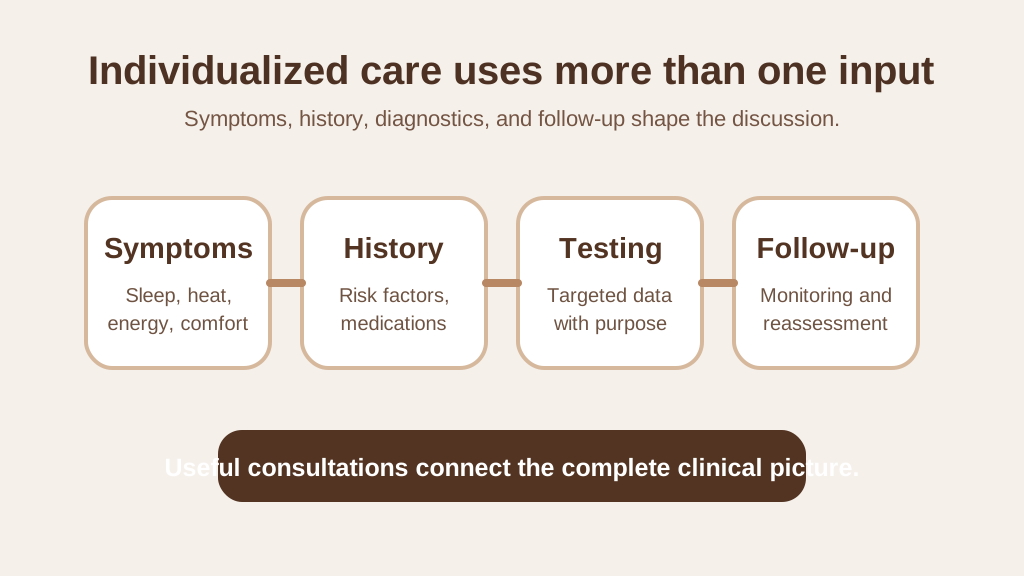
Symptoms matter alongside lab values because hormone care should interpret test results in the context of the whole patient, not treat a number as a diagnosis by itself. A clinician can compare symptoms with age, menstrual history, medications, and risk factors to decide what warrants attention.
Patients sometimes arrive expecting one blood test to produce a simple yes-or-no answer. In real practice, hormone care is rarely that narrow. Lab data can be valuable, but symptoms, age, menstrual history, personal risk factors, family history, medications, and treatment goals all help shape the clinical discussion.
For example, two women can have similar lab results and very different symptom burdens. Another patient may have significant fatigue and brain fog that deserve investigation but are not caused primarily by sex hormones. A responsible clinician looks for patterns rather than forcing every concern into a single explanation.
This is especially important for patients considering bioidentical hormone therapy in South Florida after seeing social media claims that promise universal answers. A better standard is individualized decision-making supported by medical history, examination when appropriate, and targeted testing.
What questions should women ask before starting therapy?
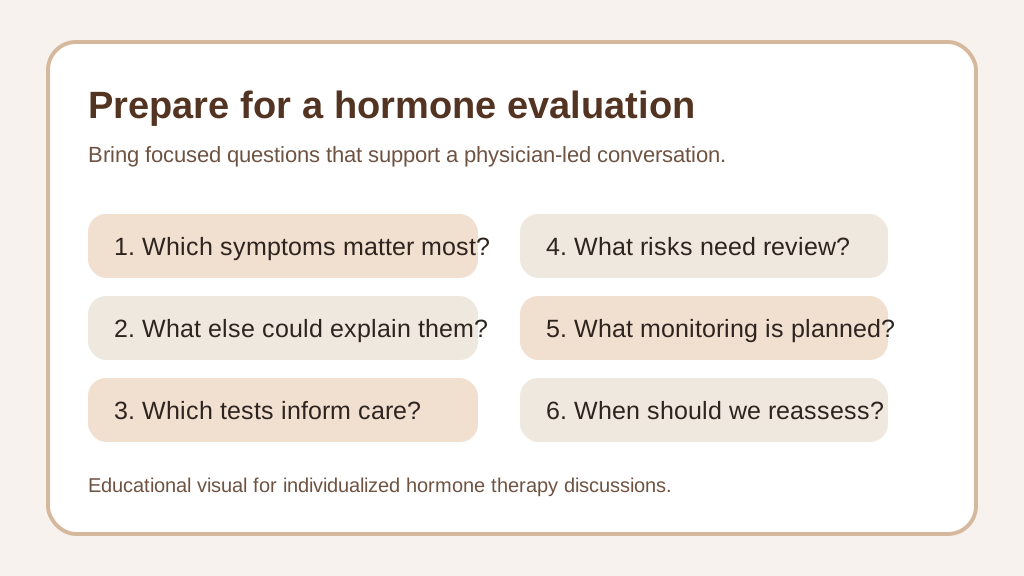
Women considering bioidentical hormone therapy should ask what symptoms are being evaluated, what else may explain them, which tests matter, what treatment options fit, how risk will be reviewed, and how progress will be monitored. Good questions help turn a vague consultation into an informed medical conversation.
- What symptoms or clinical concerns are we trying to address?
- What other causes should be considered?
- Which tests are relevant, and how will they influence care?
- What treatment options are being considered?
- What benefits are realistic, and what is uncertain?
- What are the risks, contraindications, and monitoring steps?
- How will we know whether the plan is working?
Consider bringing this list to an appointment, then use the details below to understand why each question matters.
1. What symptoms or clinical concerns are we trying to address?
Ask the clinician to define the problem clearly. Are you discussing vasomotor symptoms such as hot flashes and night sweats, genitourinary symptoms, sleep disruption, libido concerns, or another priority? A well-defined goal makes follow-up more meaningful.
2. What other causes should be considered?
Symptoms that feel hormonal may have more than one contributor. Ask whether thyroid markers, metabolic health, stress physiology, nutrient status, medications, sleep, or other health conditions should be considered before or alongside treatment decisions.
3. Which tests are relevant, and how will they influence care?
Testing should answer a clinical question. Ask why each test is being ordered, what it can and cannot show, and whether results are expected to change the plan. Transformity Health’s comprehensive hormone evaluation page explains how broader testing can help organize individualized care discussions.
4. What treatment options are being considered?
Ask whether the recommendation involves systemic therapy, local therapy, lifestyle support, further evaluation, or a combination. Also ask why the clinician prefers one route, dose, or formulation over another in your situation.
5. What benefits are realistic, and what is uncertain?
No ethical medical conversation should promise a guaranteed outcome. Ask what symptoms may improve, how long reassessment may take, what evidence is strongest, and where the evidence is limited or patient response varies.
If you want a clinician-guided conversation rather than a one-size-fits-all hormone pitch, review comprehensive hormone evaluation options and request a free consultation.
6. What are the risks, contraindications, and monitoring steps?
This is one of the most important questions. Hormone therapy is not appropriate for everyone. Individual risk considerations can include personal medical history, cancer history, cardiovascular factors, blood clot risk, unexplained bleeding, current medications, and other clinician-reviewed details. Ask how your history changes the recommendation and what follow-up monitoring will look like.
7. How will we know whether the plan is working?
Monitoring should be planned before treatment begins. Ask what symptom changes matter, when follow-up occurs, whether repeat testing is relevant, and what would prompt a dose change, a pause, or a different strategy.
How can comprehensive testing inform individualized care?
Comprehensive testing is not about ordering every available panel. It is about gathering the information that supports a better clinical decision. Depending on the concern, a clinician may consider reproductive hormone patterns, thyroid markers, adrenal or stress-related context, metabolic markers, inflammation-related context, or other targeted assessments.
Testing can be especially helpful when symptoms overlap. A patient with poor sleep, stubborn weight changes, and low energy may need a discussion broader than estrogen alone. Another patient with clear menopausal symptoms may still benefit from reviewing bone health, cardiometabolic history, and treatment preferences before deciding on next steps.
At Transformity Health, Dr. Uslar’s root-cause medicine perspective is designed to connect these dots. The aim is not to label every midlife symptom as a hormone problem. It is to understand whether hormone therapy, additional diagnostics, supportive care, or another pathway is most appropriate for the individual patient.
How patients can prepare for a hormone evaluation
A practical appointment is easier when the patient can describe patterns, not only isolated bad days. Before a visit, note when symptoms began, whether they are constant or cyclical, and how they affect sleep, work, intimacy, exercise, or daily routines. Bring an updated medication and supplement list, relevant surgical history, prior lab reports when available, and a short list of the questions that matter most.
It can also help to describe personal priorities. One patient may be most concerned about disruptive night sweats; another may want to discuss vaginal discomfort, irregular cycles, or persistent fatigue that deserves a broader workup. Clear priorities help a clinician determine what deserves immediate attention, what needs additional evaluation, and what should not be assumed to be hormone related.
Want to organize your next step? Review Transformity Health’s hormone replacement therapy approach and request a free consultation before choosing a care path.
What should South Florida women look for in a hormone therapy clinic?
Local convenience matters, but clinical quality matters more. Women comparing bioidentical hormone therapy options in Hallandale Beach, Aventura, Fort Lauderdale, Miami Beach, Bal Harbour, and surrounding South Florida communities should look for a process that is medically grounded from the start.
- Physician-led evaluation: The consultation should be grounded in health history and appropriate medical oversight.
- Clear explanation of options: Patients should understand why one treatment route or formulation is considered.
- Balanced risk discussion: Benefits and limitations should both be covered.
- Testing with purpose: Diagnostics should connect to specific clinical questions.
- Follow-up plan: Monitoring and reassessment should be built into the care process.
- No guaranteed claims: Responsible hormone care avoids cure language and promises of identical results.
Transformity Health is led by Dr. Liubou Uslar, a Harvard Medical School research fellow, Mount Sinai-trained internist, and ABIM board-certified physician. That background supports a more careful conversation for patients who want premium, science-backed guidance instead of oversimplified hormone marketing.
How is bioidentical hormone therapy different from general wellness marketing?
General wellness marketing often compresses complex concerns into a simple message: hormones are low, therapy will restore youth, and every symptom has the same solution. Medical care should sound different. It should ask what changed, what has already been tried, what the patient’s history suggests, and whether therapy is truly a fit.
That difference affects content as well as care. A compliant article about bioidentical hormone therapy should avoid promising weight loss, anti-aging, or universal symptom relief. It can explain why women ask about therapy, what questions to bring to a visit, and why individualized assessment matters. Patients deserve clarity, not pressure.
Frequently asked questions about bioidentical hormone therapy
Is bioidentical hormone therapy safe for every woman?
No. Safety depends on the patient’s health history, symptoms, risk factors, treatment goals, and the type of therapy being considered. A clinician should review contraindications, alternatives, and monitoring before recommending treatment.
Do I need lab testing before discussing hormone therapy?
Not every decision rests on the same test, and some menopause-related decisions rely heavily on symptoms and clinical context. Still, targeted testing may be useful when symptoms overlap with thyroid, metabolic, adrenal, or other concerns. Ask how a proposed test would change the care plan.
Can hormone therapy help with fatigue or brain fog?
Some women discuss these symptoms during menopause or perimenopause, but fatigue and cognitive concerns can have multiple causes. A responsible evaluation considers broader contributors before attributing everything to hormones.
What is the difference between bioidentical and compounded hormones?
“Bioidentical” describes molecular similarity to hormones made by the body. “Compounded” describes how a medication is prepared. They are not synonyms. Ask whether the recommended option is an FDA-approved prescription product or a compounded preparation, and why that distinction matters for your case.
How often should treatment be reviewed?
The schedule varies by patient and plan. Before starting, ask when the first follow-up occurs, which symptoms will be reassessed, whether any testing will be repeated, and what findings would change the treatment approach.
A better first step: ask informed questions
Bioidentical hormone therapy can be a meaningful topic for women navigating midlife symptoms, but it should begin with careful questions rather than broad promises. The right consultation explores symptoms, health history, risk factors, testing needs, and realistic next steps. That approach gives patients a stronger foundation for deciding whether hormone therapy belongs in their care plan.
Ready to discuss your symptoms with a physician-led South Florida clinic? Visit Transformity Health’s women’s health overview or request a free consultation to talk through individualized next steps.
Medical disclaimer: This article is for general educational purposes only and is not a substitute for individualized medical advice, diagnosis, or treatment. Hormone therapy decisions should be made with a qualified clinician who can review your personal health history, symptoms, and risk factors.