
Home » Fertility Support After 35 for Women
At Transformity Health, we believe fertility is connected to the whole health picture, including hormone patterns, metabolic health, inflammation, nutrition, stress, sleep, and medical history. Whether you are trying to conceive now or preparing for a future pregnancy, fertility concerns can be a signal that deeper contributors deserve thoughtful evaluation. For more education, read about fertility support in South Florida after 35. Evaluation may also include a comprehensive hormone evaluation. A personalized review can consider micronutrient deficiency evaluation when clinically relevant.
Fertility support after 35 should be clear, timely, and medically grounded.
If you are having trouble conceiving, the next step is often a fast referral to IVF or other assisted reproductive technologies. Specialist care can be important, and Transformity Health does not replace OB-GYN care, IVF, or reproductive endocrinology. Our role is to help identify health factors that may be worth addressing as part of a broader fertility plan.
At Transformity Health, we believe you deserve a deeper conversation.
We review potential contributors such as insulin resistance, body composition, PCOS features, thyroid function, gut health, inflammation, stress physiology, and hormone patterns. From there, Dr. Uslar may recommend personalized support plans that may address hormone patterns, metabolic health, nutrition, inflammation, and other factors that can inform a fertility conversation.
Our evaluation goes beyond a basic cycle review. We investigate what may be happening beneath the surface so you can better understand your reproductive health and discuss appropriate next steps.
When clinically appropriate, Transformity may use real-time, at-home hormone tracking technology, such as the Inito device, to gather more dynamic information from your cycle.
By measuring hormones such as LH, estrogen (E3G), progesterone (PdG), and FSH across your cycle, we can review ovulation timing, identify patterns that may deserve follow-up, monitor cycle changes over time, and use cycle-specific data to guide a more informed care conversation.
This collaborative process helps us analyze your cycle patterns alongside you, giving you more clarity while helping the clinical team decide what questions to ask next.
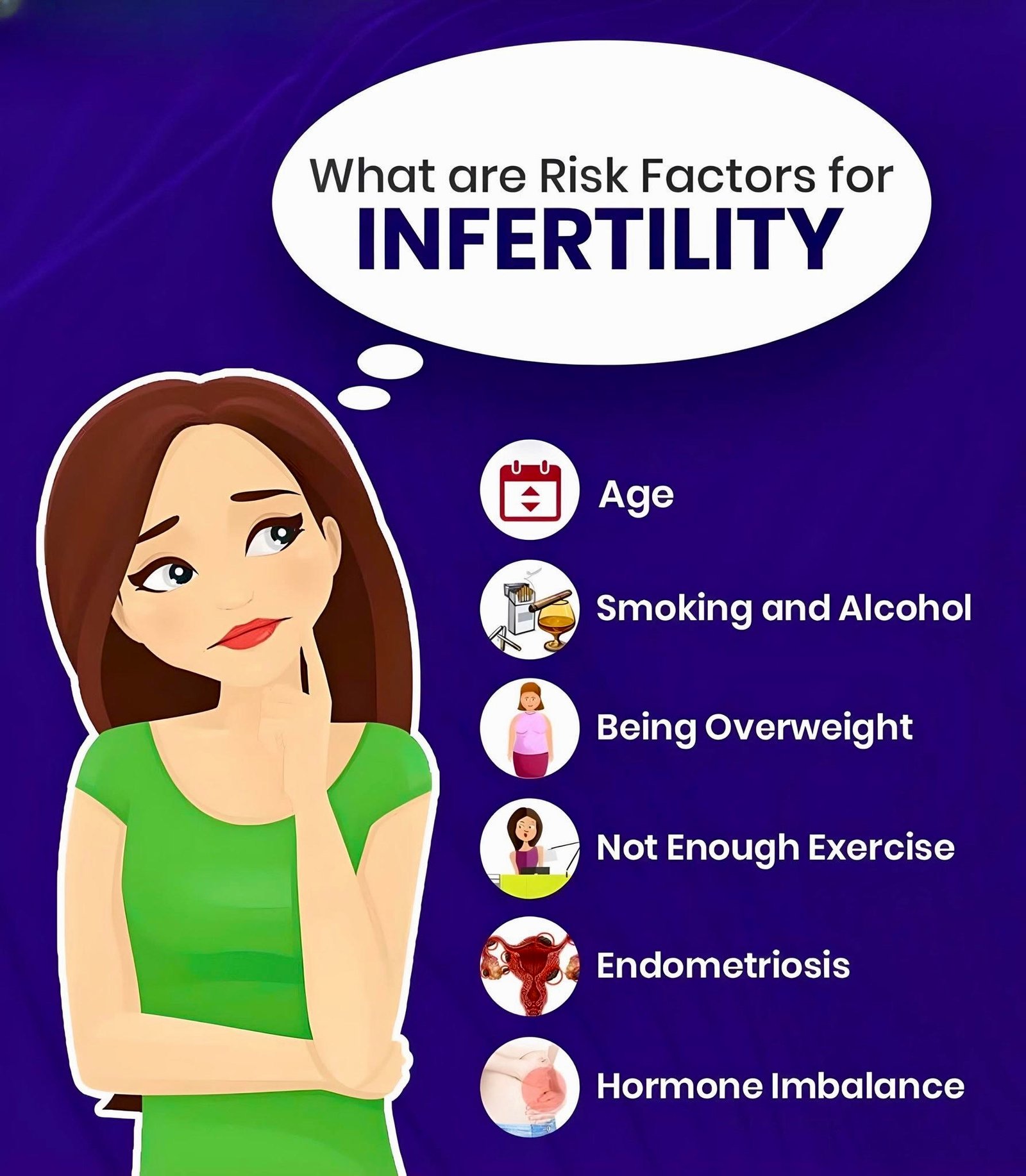
Fertility changes with age, especially after 35, but age is not the only factor worth reviewing. Stress, hormonal disruption, nutrition, toxin exposure, inflammation, and metabolic dysfunction may influence the questions worth asking.
Some common and often overlooked contributors that may deserve clinical review include hormone patterns, thyroid concerns, PCOS features, gut health, toxin exposure, inflammation, mitochondrial and metabolic health, insulin resistance, blood sugar dysregulation, sleep, and stress physiology.
Our role is not to replace IVF, OB-GYN care, or reproductive endocrinology. We help identify health factors that may be worth addressing as part of a broader fertility plan.
At Transformity Health, support may include metabolic health and weight support, hormone and cycle evaluation, insulin resistance testing, mitochondrial and metabolic support, nutrition, lifestyle, sleep, stress support, advanced testing, or real-time hormone tracking when clinically appropriate.
If you are in your late 30s or 40s with a childbearing wish, time matters. That does not mean your fertility conversation should be reduced to age alone. We work with women in this stage of life to review hormone patterns, metabolic health, cycle history, lifestyle factors, and appropriate next steps with clarity and compassion.
If your body is showing signs that something needs attention, we help you understand what may be worth evaluating. Our work looks at the whole system, not only the reproductive organs in isolation.
At Transformity Health, fertility support is about clarity, informed decision-making, and coordinated care.
Whether you have been trying for a while or want to prepare your body for the future, we are here to help you understand your fertility, review possible contributors, and discuss next steps that fit your goals.
If you are looking for answers, clarity, and a physician-led support plan, you are in the right place.
Global Prevalence: Approximately 13.4% of women aged 15-49 in the U.S. have impaired fecundity, meaning they have difficulty getting pregnant or carrying a pregnancy to term.
Age-Related Decline: Fertility declines with age, particularly for women over 35. Women aged 40 to 44 are about 11 times more likely to be infertile than younger women.
Education and Race: Women who did not complete high school are twice as likely to be infertile as those with higher levels of education. Non-Hispanic Black women have a 44% higher likelihood of infertility compared to other races.
Difficulty Conceiving: Around 19% of all couples in the U.S. are unable to conceive after a year of unprotected sex. 10% of couples still haven’t had a live birth after two years of trying.
Impact of Age: The chance of conception declines significantly after age 35 for women, according to the National Institute of Child Health and Human Development.
Seeking Treatment: 42% of Americans have either sought fertility treatments themselves or know someone who has, according to Cofertility.
0% Interest Free Financing



Physician-led evaluation: Fertility support is guided by Dr. Uslar’s internal medicine and functional medicine perspective, with attention to the whole health picture.
Root-cause review: Your consultation may review cycle history, hormone patterns, metabolic health, insulin resistance, thyroid concerns, inflammation, nutrition, sleep, stress, and prior lab results when clinically relevant.
Advanced diagnostics: Testing is used to answer specific clinical questions, not to replace OB-GYN or reproductive endocrinology care.
Personalized next steps: Recommendations are individualized and may include lifestyle, nutrition, metabolic, hormone, or referral conversations based on your history and goals.
Local South Florida care: Transformity Health serves women in Hallandale Beach, Aventura, Miami Beach, Fort Lauderdale, and nearby communities.
Fertility after 35 is time-sensitive, but it should not be reduced to age alone. At Transformity Health, women in Hallandale Beach and South Florida can discuss cycle history, hormone patterns, metabolic health, insulin resistance, thyroid concerns, lifestyle factors, and prior lab results with a physician-led team.
This approach does not replace an OB-GYN or reproductive endocrinologist. It helps you ask better questions, understand what may deserve evaluation, and decide which next steps make sense for your goals.
For a deeper educational overview, read our guide to fertility support in South Florida after 35.
Blood sugar stability, body composition, inflammation, sleep, and endocrine signaling can be part of a broader fertility discussion. When appropriate, Dr. Uslar may review whether related support such as natural weight loss should be discussed without presenting weight change as a fertility cure.
A comprehensive hormone evaluation can help frame a more informed conversation about symptoms, cycle patterns, thyroid markers, progesterone, estrogen, FSH, LH, and other clinically relevant signals.
When symptoms, history, or lab findings make it relevant, insulin resistance testing may help clarify metabolic factors that deserve clinical attention.
Sleep, nutrition, stress, movement, toxin exposure, medications, prior pregnancy history, and medical history can influence the questions worth asking. Transformity also offers broader women’s health support and functional medicine services for patients who want a root-cause review alongside conventional fertility guidance.
Testing should answer a defined question. Depending on your history, Transformity may discuss hormone timing, metabolic markers, thyroid concerns, inflammation, nutritional risk, gut health, or other findings that can shape the next conversation with the right clinician. Learn more about advanced diagnostics.
Some health factors that influence fertility conversations, such as metabolic health, hormone patterns, insulin resistance, nutrition, sleep, stress, and inflammation, may be worth evaluating after 35. Natural support should be individualized and should not delay appropriate OB-GYN or reproductive endocrinology care.
Many professional guidelines recommend seeking fertility guidance sooner after age 35 if pregnancy has not occurred after several months of trying. If you have irregular cycles, known PCOS, endometriosis, prior miscarriage, thyroid concerns, or other medical history, it may be reasonable to seek guidance earlier.
Insulin resistance can interact with endocrine pathways and may be relevant for some women, especially when PCOS features, irregular cycles, weight changes, or blood sugar concerns are part of the history. Testing and interpretation should be clinician-guided.
No. Transformity Health provides root-cause fertility support and functional medicine evaluation. The goal is to help you understand health factors that may deserve attention and coordinate with OB-GYN or fertility specialists when specialist care is appropriate.
Your consultation may review fertility goals, cycle history, symptoms, metabolic health, hormone questions, prior labs, lifestyle factors, and appropriate next steps. The visit is designed to provide clarity, not guarantees.
Ready to talk through your next steps? Schedule a free consultation with Transformity Health to discuss physician-led fertility support after 35.
In many cases, yes. At Transformity, we regularly help women conceive naturally by identifying and treating the root causes of infertility — something often overlooked in conventional fertility care. While IVF is a powerful tool, it should not be the first or only option. Many fertility issues stem from imbalances in hormones, inflammation, toxin overload, or mitochondrial dysfunction — all of which can be addressed naturally and effectively with our functional, systems-based approach.
Most of our patients come to us after months or years of frustration. What makes our approach different is that we don’t just look at fertility as a reproductive issue — we look at your entire body: hormones, gut, metabolism, stress, toxic burden, and more. We use advanced diagnostics, not guesswork, to create a personalized roadmap that supports your body’s ability to conceive and carry a pregnancy naturally.
Not at all. While fertility does decline with age, it’s not just about age — it’s about function. We focus on optimizing egg quality, ovarian function, hormone balance, and uterine health using powerful natural and regenerative strategies. We’ve helped many women in their late 30s and 40s restore fertility and conceive naturally — even when they were told it wasn’t possible.
Absolutely. If you’re planning for future pregnancy or simply want to ensure your hormones and reproductive health are in optimal shape, we can help you build a strong foundation. Fertility preservation is one of the most empowering things you can do — and our root-cause approach can help you protect and optimize it.
We go far beyond standard labs. Depending on your case, we may test for:
Comprehensive hormone panels (estradiol, LH, FSH, progesterone, testosterone, DHEA, thyroid, insulin)
Ovarian reserve (AMH, antral follicle count)
Inflammatory and autoimmune markers
Gut microbiome and nutrient absorption
Toxin burden (environmental, heavy metals, endocrine disruptors)
Mitochondrial function and oxidative stress
Genetic and epigenetic markers related to fertility and detoxification
We use a blend of natural, functional, and regenerative therapies, including:
Targeted nutrition and supplementation to correct deficiencies
Hormonal optimization using natural support or bioidentical options
Peptide therapy to stimulate ovarian and pituitary function
Exosomes and stem cell therapies to support ovarian tissue and egg quality
Detoxification protocols to clear hormone disruptors
Stress and sleep optimization, tracked with wearables
Mitochondrial support to enhance egg vitality
Each plan is 100% personalized to your biology and goals.
Yes. Many women choose to use our care to prepare for IVF or improve its success. By optimizing egg quality, hormone function, uterine health, and reducing inflammation or toxins, we can help your body respond better to IVF protocols and improve implantation, egg retrieval, and embryo quality outcomes.
Every woman is different. Many of our patients begin to see shifts in their cycles, energy, symptoms, and lab markers within 2–3 months. Restoring fertility naturally can take time — but with the right roadmap, we often see conception happen within 3–9 months, depending on the complexity of the case.

0% Interest Free Financing
