Pelvic Floor Therapy

Pelvic Floor Therapy

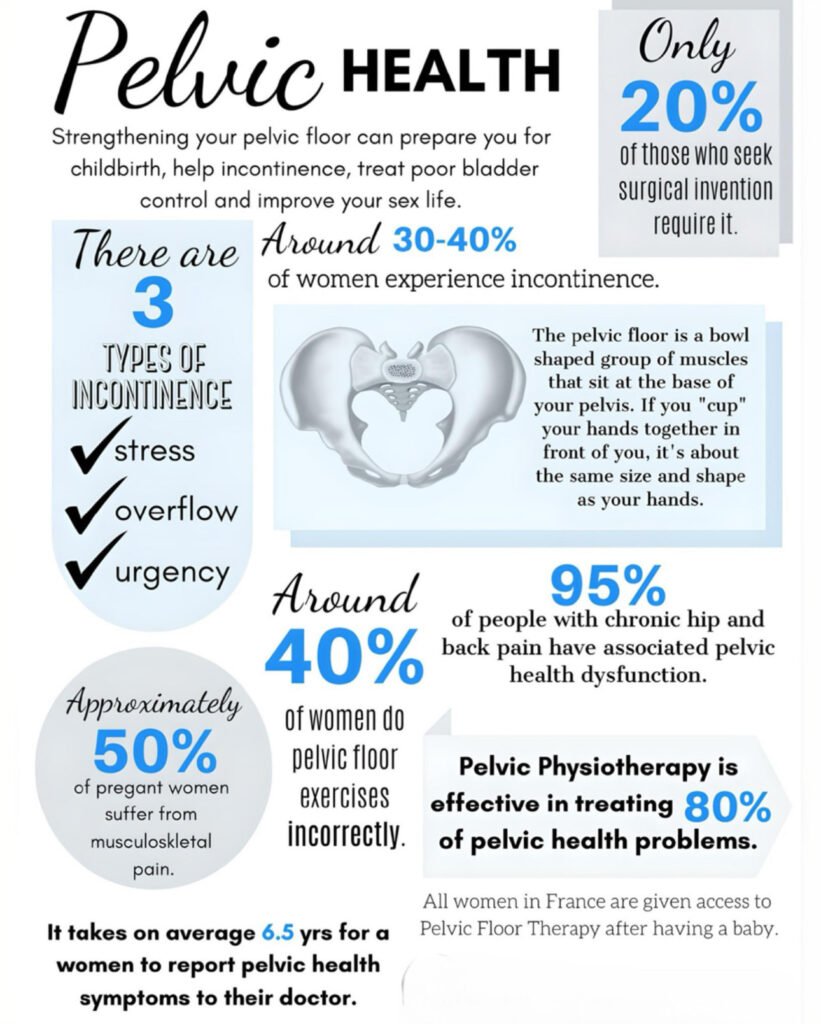
Weak pelvic floor muscles can lead to a variety of issues—such as urinary incontinence, reduced core strength, lower back pain, and decreased sexual function. These problems are common after childbirth, with aging, or from a sedentary lifestyle, but they don’t have to be permanent. At our clinic, we offer a non-invasive solution: EmShape Pelvic Floor Therapy.

The EmShape seat uses high-intensity electromagnetic stimulation to target and strengthen the pelvic floor muscles—all while you sit comfortably, fully clothed. In just a quick 15-minute session, it delivers thousands of muscle contractions, helping to retrain and tone the muscles that support your bladder, core, and pelvic organs.

Whether you’re a new mom, an athlete, or simply looking to restore control and confidence, EmShape pelvic floor therapy is safe, effective, and convenient. Book your session today and feel the difference from the inside out.


Key Statistics:

  • Prevalence: About 25% of women in the U.S. experience at least one pelvic floor disorder.

  • Urinary Incontinence: A significant portion—17.1%—of women experience moderate-to-severe urinary incontinence.

  • Fecal Incontinence: Approximately 9.4% of women experience fecal incontinence.

  • Pelvic Organ Prolapse: About 2.9% of women report pelvic organ prolapse.

  • Age: The prevalence of pelvic floor disorders (PFDs) increases with age, with over 50% of women experiencing them by age 80.

  • Impact on Quality of Life: PFDs can negatively affect a woman’s quality of life, especially in areas such as emotional well-being and social activities.

  • Cost: The financial burden associated with treating pelvic floor disorders is substantial. Women experiencing chronic pelvic pain may spend significant amounts on healthcare annually, according to the NIH Record.

Factors Associated with Pelvic Floor Disorders:

  • Age: Older women are more likely to experience PFDs.

  • Parity: The number of vaginal deliveries is associated with an increased risk of developing PFDs.

  • Obesity: Overweight and obese women are more likely to report PFDs.

  • Hysterectomy: Having a hysterectomy is linked to higher odds of experiencing one or more PFDs.

Schedule a Free Consultation

0% Interest Free Financing

Schedule a Free Consultation

0% Interest Free Financing

Wait a Second!

20% OFF

Your First Treatment

Start your wellness journey today with our exclusive new client offer

No thanks, I'll pass on saving today